01 / NOYAU DÉTECTIONBuild a decision matrix
Write a short matrix with columns for target size, soil, site access, required depth evidence, operator experience, and budget for the complete package. Fill in what is known and mark what needs a field test. This prevents the most visible feature in an advertisement from dominating the decision. A light detector for long walks and a scanning instrument for gridded measurements can each be suitable, but they solve different problems. Compare only systems that answer the same task. If the use case includes several tasks, decide which is primary and which can be handled by an additional method or later purchase.
02 / NOYAU DÉTECTIONUnderstand limits of claimed depth
Depth depends on target size, orientation, mineralisation, moisture, electromagnetic interference, and settings. A number without a test target and stated conditions is not a transferable guarantee. Ask what was measured and whether the signal was repeatable. For a scanning device, distinguish a sensor reading from the image generated by software, and ask who will interpret the result. An apparent shape does not by itself identify an object. Keep written notes from a demonstration, including failed or ambiguous passes. Those observations can be more helpful than a single best-case figure printed on a brochure.
03 / NOYAU DÉTECTIONEvaluate the total workflow
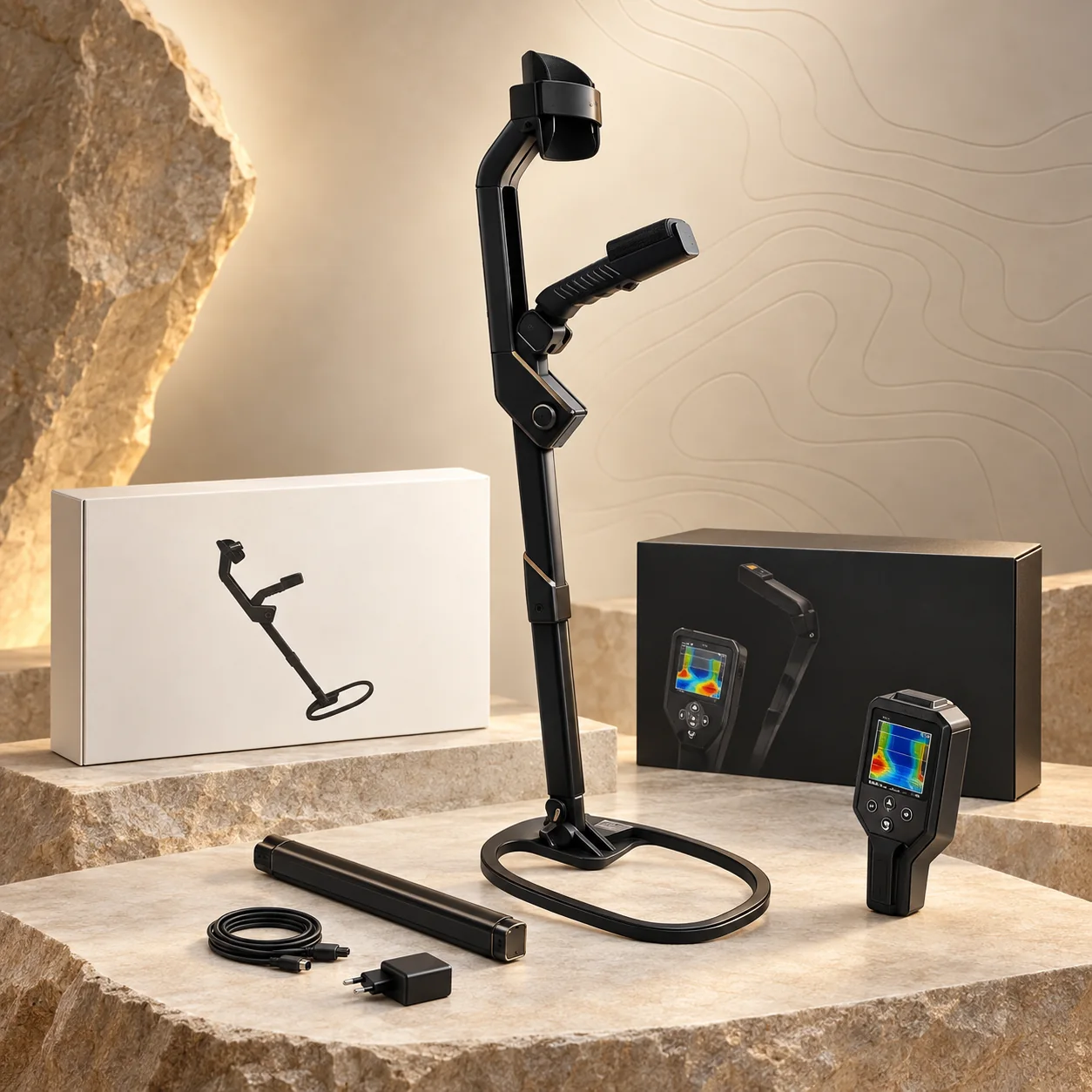
Check charging time, spare power, weight, transport, setup, software access, and the time needed to learn the controls. A product that fits the technical brief may still be impractical for the people and terrain involved. Confirm which accessories are necessary for the proposed method and which are optional. Ask how support is reached, whether the operating instructions are in a language the user can follow, and what is covered by warranty. If several people will operate the device, plan a short written procedure so that settings and observations are consistent between sessions.
04 / NOYAU DÉTECTIONMake the final comparison fair
Request offers for the same task and compare the full package, currency, tax, delivery and training line by line. Ask a supplier to explain a material difference in method rather than merely saying one model is stronger. Verify the exact current model code on the original French card. Before any field use, obtain land permission and check applicable local rules. If the evidence remains weak, pause the decision and arrange a more relevant demonstration. A careful selection can still end with no purchase yet; that is better than buying a device whose intended use has not been demonstrated.