01 / NOYAU DÉTECTIONBegin with the job, then compare instruments
A detector purchase is easier to evaluate when the intended job is written down before any model is shortlisted. Describe the likely target, its approximate size, the type of ground, and whether the work takes place in an open field, a garden, or a constrained site. These details change the value of a coil, a sensor, and the interpretation of a signal. A single advertised depth figure cannot stand in for a test with known target and soil conditions. If part of the job remains uncertain, keep that uncertainty visible in the request rather than turning it into an assumed product requirement.
02 / NOYAU DÉTECTIONWhat belongs in a useful comparison
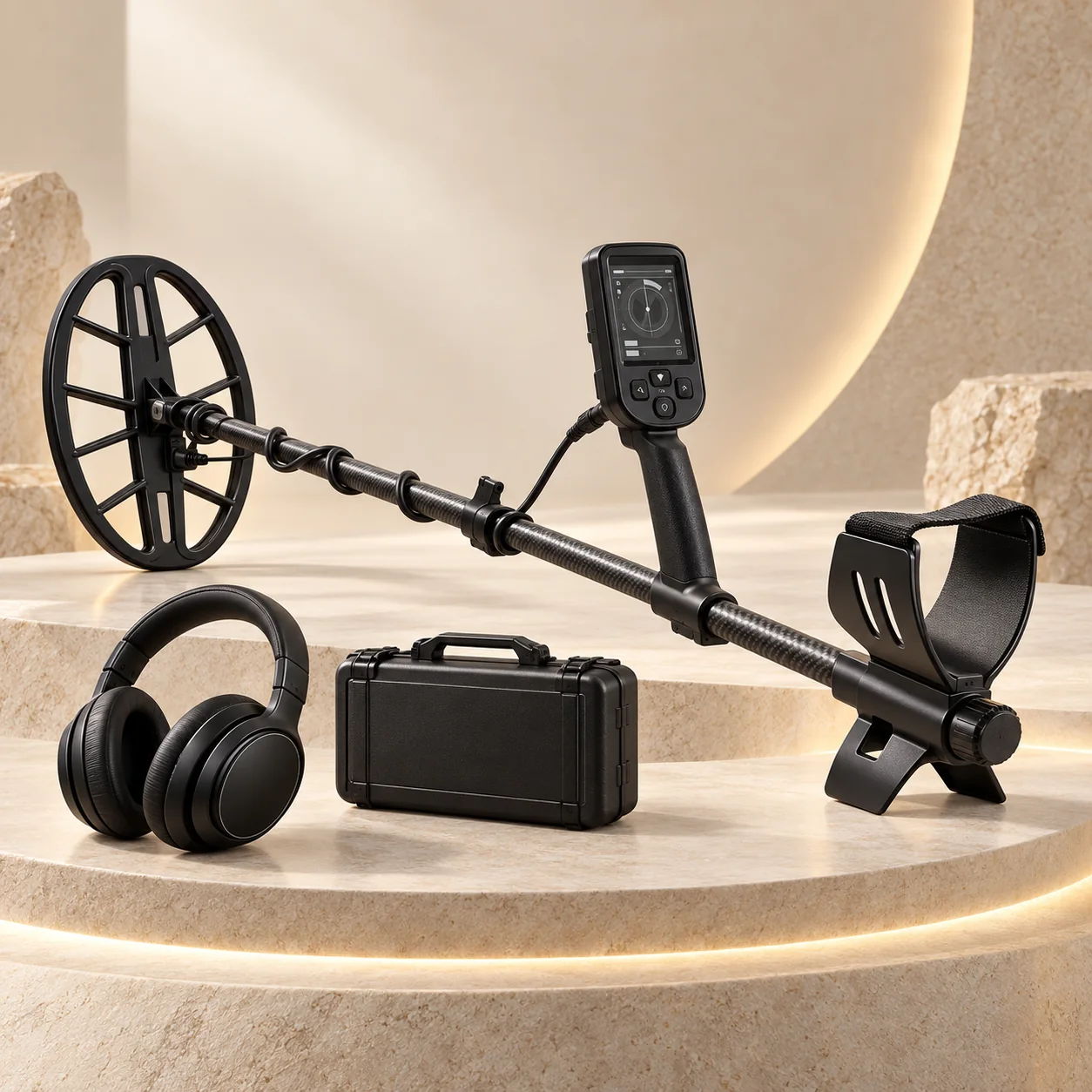
Ask for the exact model designation and the included coil or sensor, then compare controls, power supply, transport weight, warranty, and the training needed to use the system. A detector that feels convenient during a brief demonstration may demand a different routine over a long field session. Compare the complete package rather than photographs of optional accessories. Keep notes about which claims were measured, which were explained by the seller, and which still need a practical demonstration. That distinction helps a buyer avoid treating marketing language as a verified specification.
03 / NOYAU DÉTECTIONRead the Belgian context carefully
Availability, delivery, language of support, and applicable rules can differ according to the location and purpose of the order. The site’s French original catalogue is the reference for current product cards and commercial terms; this English guide helps frame the questions. Before using equipment on land, verify permission to enter and search, and check the rules relevant to the location. Noyau Detection does not turn a device purchase into permission for a search. Record the general location when asking for advice, but avoid publishing precise private coordinates or ownership details in an open message.
04 / NOYAU DÉTECTIONA practical next step
Choose two or three candidates that meet the same brief, and request a written comparison using identical target and ground assumptions. Ask what comes in the box, what training is available, and what a realistic demonstration can show. If a 3D ground scanner is involved, ask how measurements are collected, processed, and interpreted; an image is not a direct photograph of an underground object. When the answer is unclear, request clarification before payment. A concise brief and written offer are more useful than a long list of devices without a defined task.