01 / NOYAU DÉTECTIONNavigate by measurement task
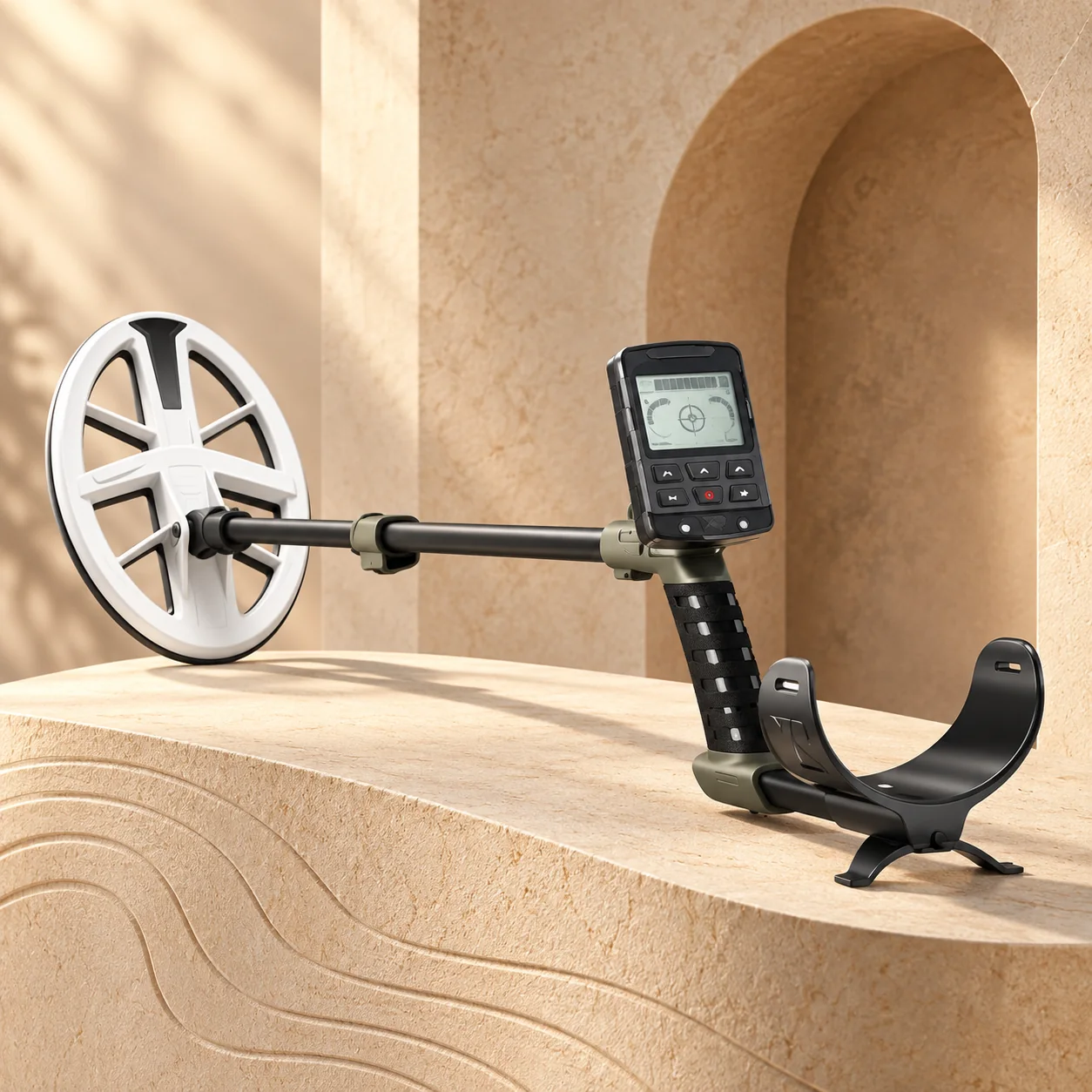
The catalogue is a starting point for a structured comparison, not a promise that every model fits every terrain. Conventional metal detectors, gold-focused systems, and ground-scanning instruments answer different questions. First decide whether the likely target is a small metal object near the surface, a larger object, or an area that needs systematic measurement. Then review the original French category and the exact model card. Do not treat similar photographs as evidence that two packages share the same sensor, coil, software, or warranty. A useful catalogue visit ends with a short list and a written list of remaining questions.
02 / NOYAU DÉTECTIONCheck the configuration behind the name
A model name alone can hide important differences. Note the full version, coil diameter, search modes, included accessories, software licence, battery arrangement, and any training required. Ask whether an image shows the standard set or an optional accessory. If the package is offered with a different sensor, compare the documented purpose of that sensor instead of assuming it only changes price. Preserve the current product page or quotation while deciding so that a later revision can be identified. Request a current written offer with currency, delivery terms, and a precise inventory before confirming an order.
03 / NOYAU DÉTECTIONUse demonstrations as evidence, not theatre
A demonstration is useful when the target, depth, soil, setup, and operator are known. Ask whether the same result can be repeated and whether the test conditions resemble the intended work. A video on another site may show a different ground composition or target size. For a 3D scanning system, ask what is measured and how the raw data becomes an image; interpretation can depend heavily on grid design and experience. An honest limit in a demonstration is valuable information. It helps choose the right system and reduces the chance of paying for a capability that was never established.
04 / NOYAU DÉTECTIONWhere to go from a product card
Use the selection guide to compare methods, then send an enquiry with the specific model codes and conditions. Include the general region in Belgium, intended use, budget range if known, and whether a demonstration or training matters. Avoid sending exact coordinates, sensitive documents, or payment details through a public form. The original French product cards and current commercial terms govern what is offered; this English section is a practical reading aid. If a model is unavailable or a specification is unclear, ask for a named alternative and a side-by-side explanation rather than accepting a generic substitution.