01 / NOYAU DÉTECTIONWhat this edition is for
Noyau Detection’s English pages help visitors in Belgium frame technical and commercial questions before opening the original French catalogue. They do not replace product specifications, stock information, contractual terms, or site-specific advice. The aim is to make the route from task to comparison understandable: state the likely target and ground, identify plausible methods, check the exact package, and request a written offer. This order matters because a device can sound impressive in isolation while being unsuitable for the user’s terrain or experience. We keep the distinction between a measurement, an interpretation, and an advertised claim visible.
02 / NOYAU DÉTECTIONHow product information should be read
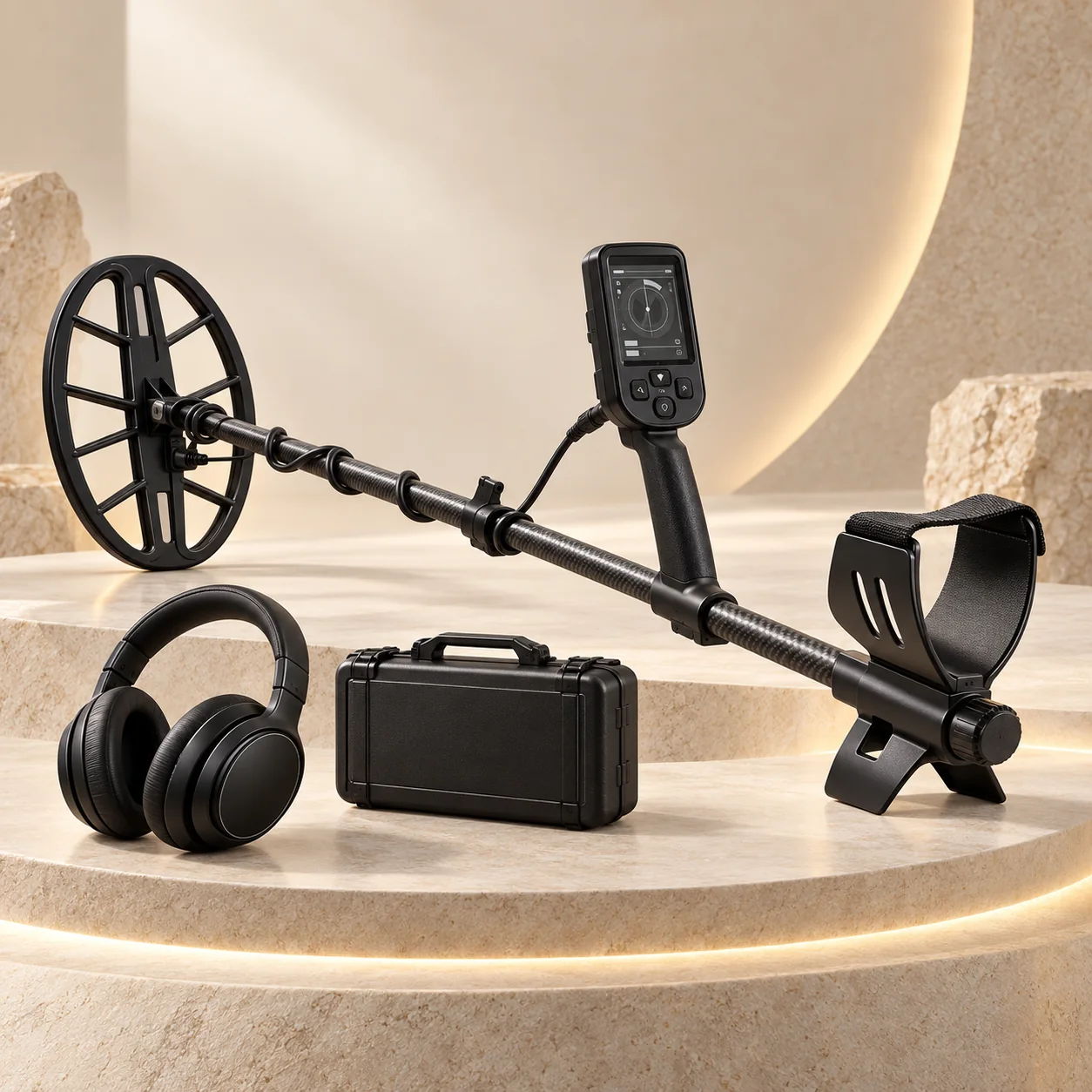
A product card may combine a base device, optional coils or sensors, illustrative images, and examples from specific conditions. The buyer should verify the model version and included items rather than infer them from a picture. When performance is discussed, ask for the target, soil, settings, operator, and method used in the test. For 3D data, ask how the reading is collected and processed. These questions are not obstacles to a sale; they make the offer more precise and the eventual use more realistic. The French original card remains the current source for the actual product presented.
03 / NOYAU DÉTECTIONRespectful use in the field
Equipment must be used within the rules that apply to the place and purpose of the search. A purchase does not confer access to land or permission to investigate a site. Before work, establish the necessary permission and avoid disturbing sensitive areas. Technical conversations can usually begin with a general location and a description of the ground; exact coordinates and personal details are rarely needed in a public enquiry. If safety, archaeology, or property rights may be involved, obtain appropriate local guidance. These boundaries protect both the user and the integrity of any observation made with the instrument.
04 / NOYAU DÉTECTIONA clearer conversation with the team
A useful enquiry states what you want to find or measure, where in general you will work, what instrument experience you have, and whether you need training. Include model codes if you have already compared products, but leave room for a better-suited method. Ask for a written list of supplied parts, warranty, delivery, and support. If a claim is uncertain, request an example or a demonstration under named conditions. These steps let the team answer a concrete problem instead of guessing from a budget or a single device name, and give you a record to review before committing.